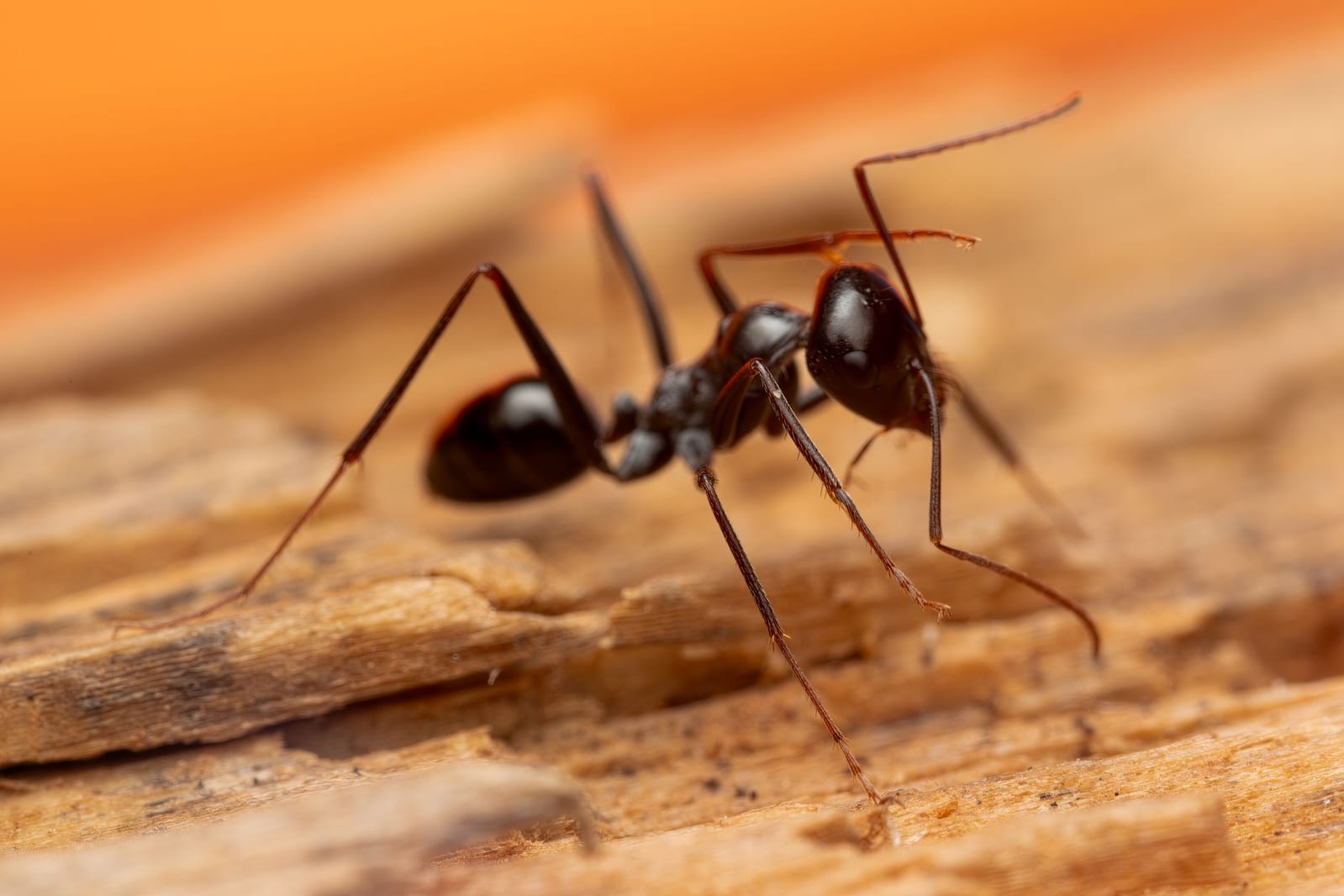
Ant control is among the most common pest issues we treat in Astoria. Proximity to Astoria Park and the waterfront adds seasonal mosquito pressure.
Ant control in Astoria: what to know
Astoria blends low-rise apartment buildings, two- and three-family homes and one of the city's densest restaurant scenes — a combination that drives heavy rodent and fly pressure, especially along 30th Avenue and Steinway Street.
The mix of older homes with yards and dense apartment blocks means both outdoor pests (ants, stinging insects) and classic apartment pests (mice, cockroaches).
Proximity to Astoria Park and the waterfront adds seasonal mosquito pressure.
How much does carpenter ant & ant control cost in Astoria?
$60–$500
National average: $150–$250 per visit (Angi). Typical single treatment: $80–$500 (small infestation). Bob Vila national range: $60–$215. Follow-up/retreatment visits: $40–$120.
US national figure — NYC typically runs higher.
Market range — not our quote
This is a market range synthesised from published cost guides — not a quote from this provider. The actual price depends on an in-person or photo-based inspection.
US national — NYC typically higher; no NYC-specific ant cost guide located, unlike bed bugs/rats/roaches.
What drives the price
- Infestation location (attic/basement/exterior walls cost more than kitchen/living space due to access difficulty)
- Severity
- Treatment method
- One-off vs follow-up retreatment
Signs you need ant control
- Coarse, fibrous frass near a deck, garage wall, or crawl-space vent
- Large black ants (12–25mm) foraging indoors, especially at night
- Rustling sounds inside a garage wall or under the floor near the crawl space
- Winged swarmers appearing indoors in late winter or spring
- Soft or discoloured wood on a deck ledger board, garage sill, or crawl-space joist
How we treat ant control in Astoria
Queens Village's housing stock — mostly post-war brick construction from the 1940s through 1960s, detached and semi-detached with attached garages, wood decks, and crawl spaces — gives carpenter ants (Camponotus pennsylvanicus) exactly the moisture-damaged wood they need to excavate a colony. Unlike a pre-war Brooklyn brownstone, the vulnerable wood here is more often a deck ledger board, a garage sill, or crawl-space framing than a parapet wall.
The colony you can see in the kitchen is rarely the one doing the damage. Most infestations here involve a parent colony in a damp void — a leaking gutter behind a garage wall, a deck post set in wet soil, a crawl-space sill plate with poor drainage — and a satellite colony closer to the kitchen. Treating only the kitchen foragers is why DIY sprays fail season after season.
Local landmarks & coverage
We serve all of Astoria and the surrounding Queens area — including Astoria Park, Steinway Street, 30th Avenue, Socrates Sculpture Park — across ZIP codes 11102, 11103, 11105, 11106.